

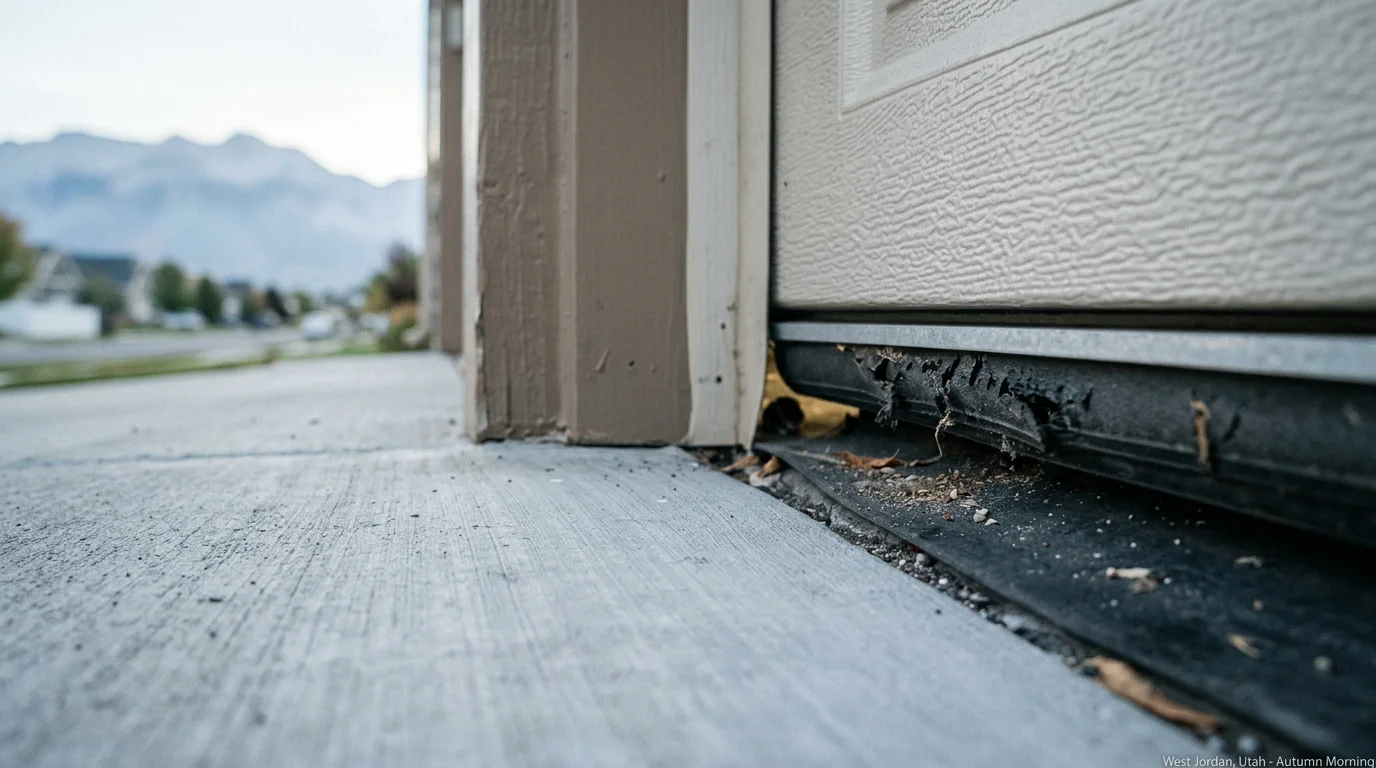
As autumn arrives in West Jordan and South Jordan, the crisp air from the Oquirrh Mountains signals a change for homeowners across Salt Lake County. From the newer Daybreak developments to established neighborhoods near Veterans Memorial Park, this seasonal shift brings a familiar challenge. Mice that spent the summer thriving in fields, along irrigation canals, and in the green spaces bordering the Jordan River Parkway now feel the pressure of dropping temperatures. Seeking reliable warmth and food, your home becomes their ideal winter sanctuary, and they will actively search for any small opening to get inside.
Mountain West Pest relies on licensed and insured technicians who serve West Jordan, South Jordan, and surrounding communities. We understand the specific pressures local rodents place on homes in the southwest Salt Lake Valley and are committed to providing effective, family-conscious solutions tailored to your property’s unique needs.
Why Mice Move In During Fall
The primary motivation for mice to invade homes in the fall is survival. As natural food sources like seeds, grains, and insects dwindle and the nights grow colder, they seek reliable food, water, and shelter—all of which your home provides in abundance. The same conditions that make West and South Jordan desirable, like manicured lawns, gardens, and proximity to open spaces, create ideal rodent habitats during warmer months. When the first chill hits, these populations migrate from fields and foothills toward the consistent warmth radiating from houses. Your home’s wall voids, attic insulation, and cluttered storage areas provide perfect, undisturbed harborage, mimicking natural burrows but with the added luxury of a nearby pantry or pet food bowl. For a mouse, a tiny crack in your foundation is an open invitation for a winter-long stay.
Early Signs of Mice
Catching a mouse infestation early is crucial, as they reproduce with incredible speed. You often won’t see a mouse directly, but you’ll find the evidence they leave behind. Be vigilant for subtle clues in low-traffic areas like pantries, under sinks, in basements, and behind appliances. Faint scratching or scurrying sounds in the walls or ceiling, particularly at night when they are most active, are a classic sign. A persistent, musty odor with no other obvious source can also indicate an established nest. Keep an eye out for these tell-tale signs:
- Droppings: Small, dark, pellet-shaped droppings that look like grains of rice are the most common indicator. You'll find them along walls, in drawers, or near food packages.
- Gnaw Marks: Mice constantly chew to keep their teeth trim. Look for small, unexplained gnaw marks on wood baseboards, electrical wires, plastic containers, and cardboard boxes.
- Nests: Mice build small, hidden nests out of soft, shredded materials. You might discover a small ball of shredded paper, fabric, or insulation tucked away in a drawer or box.
- Tracks: In dusty areas of a garage or basement, you may see tiny footprints or tail-drag marks, revealing their nightly travel routes.
Sealing Common Entry Points
The most effective long-term rodent control strategy is exclusion—physically blocking mice from getting inside. A mouse can squeeze through a hole the size of a dime, making a thorough inspection of your home's exterior critical. Start at the foundation and work your way up, paying close attention to any gap or crack, regardless of whether your home is new or old. Sealing your home makes it a much harder target for migrating mice seeking an easy entrance. Focus your efforts on these common weak spots:
- Utility Penetrations: Check where pipes for water, gas, and electricity enter your home, as well as openings for HVAC lines. Seal any gaps around them with steel wool and caulk.
- Foundation and Siding: Inspect for cracks in the foundation or gaps along the bottom edge of your siding. Even a small fissure is a potential doorway for a determined mouse.
- Garage Doors: Ensure the rubber weather stripping at the bottom of your garage door creates a tight seal with the concrete floor. Check the vinyl seals along the sides and top as well.
- Vents and Eaves: Cover attic, soffit, and dryer vents with sturdy mesh screens. Look for any gaps where the roofline meets the walls of the house.
Trapping and Professional Help
If you’ve discovered mice are already inside your South Jordan or West Jordan home, exclusion alone won't solve the problem. While do-it-yourself traps can catch an occasional mouse, they often fail to address the full scope of an infestation. Mice are intelligent and cautious, quickly learning to avoid poorly placed traps. Furthermore, a few captured mice may only be a fraction of the total population hiding within your walls or attic, breeding and expanding their territory. A lingering infestation can lead to significant property damage from gnawing, contamination of food surfaces, and constant stress for your family. Professional assistance is the most reliable solution. A trained pest control technician understands rodent behavior, allowing them to identify primary travel routes, nesting sites, and all potential entry points. They have access to a wider range of tools and methods to manage the existing population effectively and safely, giving you lasting peace of mind.
Keeping Your West & South Jordan Home Rodent-Free
As the seasons change along the Wasatch Front, staying ahead of pests is a crucial part of home maintenance. For residents in the growing communities of South Jordan and West Jordan, fall’s arrival is a clear signal to secure your home against mice seeking shelter from the cold. By understanding why they move in, recognizing the early signs of their presence, and diligently sealing potential entry points, you can significantly reduce your risk of an infestation. When signs of mice do appear, prompt and thorough action is essential. For expert help and a comprehensive approach to rodent control, call (801) 874-1412 or schedule your free inspection.